
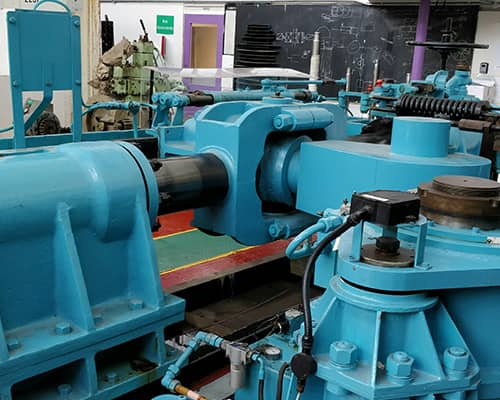
Manufacturing Infrastructure Systems refer to the essential physical and organizational structures required for the efficient operation of manufacturing processes. These systems are designed to support the production of goods, ensure safety, optimize productivity, and maintain the long-term sustainability of manufacturing operations. They encompass a wide range of components, from facilities and machinery to supply chains and energy management systems.
Here’s an overview of key manufacturing infrastructure systems and their importance:
Production Facilities and Plant Layout
Factory Design: The layout of the factory, including production lines, storage areas, and employee workstations, directly impacts operational efficiency. Proper design ensures a smooth flow of materials and goods, minimizes downtime, and optimizes space utilization.
Building Infrastructure: The physical structure of the manufacturing plant, including walls, roofs, floors, and utilities, needs to support heavy machinery, employee needs, and environmental conditions (e.g., temperature control for sensitive products).
Machinery and Equipment
Manufacturing Machines: These include machines for assembly, welding, machining, and finishing. Regular maintenance and calibration are required to ensure that they operate efficiently.
Automation Systems: Modern manufacturing facilities often use robotics and automated machinery to reduce manual labor, improve accuracy, and increase production speed.
Tooling and Dies: Specialized tools and dies used for shaping or cutting materials, typically requiring high precision to meet product specifications.
Supply Chain and Logistics Systems
Raw Materials Sourcing: Infrastructure to manage the procurement of raw materials from suppliers, including inventory control systems, warehouses, and supplier management strategies.
Logistics and Distribution: This involves transportation, warehousing, and inventory management. Efficient logistics systems ensure that materials are delivered on time to production lines and that finished products are sent out to customers without delay.
Supply Chain Management Software: These software systems track orders, inventory, and deliveries, ensuring that manufacturing processes are well-coordinated and supply chain disruptions are minimized.
Energy and Utility Systems
Power Supply: Manufacturing facilities require a stable and sufficient power supply to run equipment and maintain operations. Backup power systems (e.g., generators) are also essential in case of power outages.
Water and Waste Management: For industries such as chemicals or food production, water is a critical resource, and waste disposal systems must be in place to meet environmental regulations.
Sustainability and Efficiency: Energy-efficient lighting, heating, ventilation, and cooling systems (HVAC) play a vital role in reducing operational costs and maintaining environmental compliance.
Safety and Compliance Systems
Safety Infrastructure: Safety systems, such as fire detection and suppression systems, emergency exits, safety barriers, and personal protective equipment (PPE), are essential to safeguard workers and the facility.
Regulatory Compliance: Manufacturing plants must comply with local, national, and international regulations regarding environmental protection, worker safety, and product quality. Infrastructure systems are designed to help maintain compliance with these laws.
Information Technology and Automation Systems
Enterprise Resource Planning (ERP) Systems: These integrated software platforms manage all aspects of manufacturing, from inventory and supply chain to production and financial management.
Manufacturing Execution Systems (MES): MES software connects the production floor to the higher-level ERP, helping to track the production process in real time and optimize operations.
IoT (Internet of Things): IoT systems allow for the connection of machines, sensors, and other devices to collect real-time data for monitoring equipment, tracking product quality, and improving predictive maintenance.
Quality Control Systems
Inspection and Testing Facilities: To ensure the products meet the required standards, testing equipment for product performance, durability, and safety is essential. Quality control labs and inspection areas are part of the manufacturing infrastructure.
Automated Quality Assurance: Many modern manufacturing plants use automated systems for continuous quality checks to detect defects early and reduce waste.
Communication and Collaboration Tools
Internal Communication Systems: Communication tools such as intercoms, radios, and digital messaging platforms ensure smooth coordination across different departments in a manufacturing plant.
Collaboration Platforms: Digital platforms allow employees to collaborate on projects, share data, and track progress, improving overall productivity.